
Effects of Extraction on Antioxidant Activity of Fingerroot (Boesenbergia rotunda (L.) Mansf.) Juice and Drinking Jelly Production with Palm Sugar Substitution
Article Sidebar
Main Article Content
Abstract
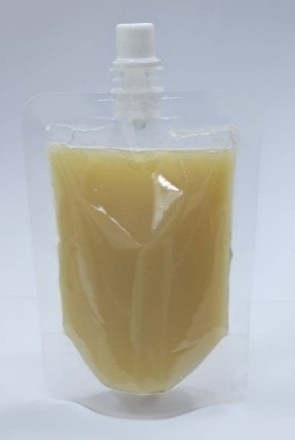
The objectives of this research were to investigate the effect of fingerroot extraction on the physical, chemical, and sensory properties of fingerroot juice. The extraction process of fingerroot juice was studied using 2 factors; the ratio of fingerroot:water at 3 levels (1:2, 1:3 and 1:4) and the boiling time at 2 levels (10 and 15 minutes) by 3x2 factorial in completely randomized design. Results showed that the ratio of fingerroot:water at 1:2 with extraction time for 15 minutes had the highest of total phenolic content and antioxidant activity using the ABTS method with the values of 189.36 µg gallic acid/ml and 772.76 µg Trolox/ml, respectively. Sensory evaluation using 9-point hedonic scales showed that the ratio of fingerroot water at 1:4 and extraction time at 10 minutes was accepted by the panelists. Therefore, the formula was developed into a fingerroot drinking jelly product and the appropriate level of substitution of sugar with palm sugar (0, 50, 75, and 100%) was studied. Sensory evaluation using 9-point hedonic scales showed that the fingerroot drinking jelly with 50%palm sugar substituted had liking scores for color, clarity, and texture that were not significantly different from the control formula. The liking scores for clarity, flavor, taste, and overall liking were higher than the substitution at 75 and 100%. This fingerroot drinking jelly formula was not found the total plate count of bacteria, yeast, and mold. Consumer acceptance of the product was at the level of moderately-liked to very much-liked level. The cost of fingerroot drinking jelly was 5.15 Thai baht per serving (100 g).
Article Details

This work is licensed under a Creative Commons Attribution-NonCommercial-NoDerivatives 4.0 International License.
References
กชกร มุสิกพงษ์. (2564). กระชาย : ทางการแพทย์แผนไทย. แหล่งข้อมูล: https://psub.psu.ac.th/?p=8137. ค้นเมื่อวันที่ 16 กันยายน 2568.
กรมการแพทย์แผนไทยและการแพทย์ทางเลือก. (2563). กระชาย กับศักยภาพการพัฒนา เป็นยาต้านไวรัสก่อโรค Covid-19 ดร.ภญ.ดวงแก้ว ปัญญาภู. แหล่งข้อมูล: http://www.ttmic.co.th./กระชาย-กับศักยภาพการพัฒ/. ค้นเมื่อวันที่ 14 เมษายน 2568.
เกษมศักดิ์ ผลากร. (2564). กระชงกระชาย. น.ส.พ. กสิกร. 94(4): 42 - 48.
ขวัญดาว แจ่มแจ้ง. (2555). สภาวะที่เหมาะสมสําหรับการสกัดสารต้านอนุมูลอิสระจากพืชผักพื้นบ้านในจังหวัดกําแพงเพชร. Life Sciences and Environment Journal. 13(2): 32 - 41.
ฉัตร โรจน์บวรวิทยา, อาริญา สาริกะภูติ และนฤนันท์ วุฒิสินธุ์. (2565). การศึกษาอิทธิพลของการเตรียมกระชายขาวด้วยความร้อนต่อฤทธิ์การต้านอนุมูลอิสระ โดยวิธี ABTS Assay ในห้องปฏิบัติการ. สำนักงานบัณฑิตศึกษา มหาวิทยาลัยแม่ฟ้าหลวง. แหล่งข้อมูล: https://postgrads.mfu.ac.th/wp-content/uploads/2022/12/6352003256.pdf. ค้นเมื่อวันที่ 14 เมษายน 2568.
ซาฟียะห์ สะอะ. (2562). กระชายเหลือง: ราชาแห่งสมุนไพรที่ขึ้นชื่อว่าโสมไทย. อาหาร. 49(4): 16 - 21.
ณภัทร เหมภัทรสุวรรณ. (2564). การพัฒนาเครื่องดื่มเยลลี่โปรตีนสูงจากโปรตีนเวย์. วิทยานิพนธ์วิทยาศาสตร์มหาบัณฑิต, จุฬาลงกรณ์มหาวิทยาลัย. กรุงเทพฯ. 120 หน้า
ณัฏยา คนซื่อ และปิยาภรณ์ เชื่อมชัยตระกูล. (2547). การพัฒนาผลิตภัณฑ์เยลลี่ขิงพร้อมดื่ม. ใน: รายงานการวิจัยฉบับสมบูรณ์, มหาวิทยาลัยแม่ฟ้าหลวง. เชียงราย. 28.
ทิพวรรณ ทองสุข, ปุณฑริกา รัตนตรัยวงศ์ และณัฐกานต์ นามมะกุนา. (2551). การใช้น้ำตาลโตนด (น้ำตาลปึก) ในผลิตภัณฑ์เยลลี่และกัม. วารสารวิจัยเพื่อพัฒนาชุมชน (มนุษยศาสตร์และสังคมศาสตร์) 2(2): 1 - 16.
นุชเนตร ตาเย๊ะ และรอมลี เจะดอเลาะ. (2560). การพัฒนาผลิตภัณฑ์อาหารฮาลาล: น้ำนมจากถั่วดาวอินคา. รายงานวิจัย คณะวิทยาศาสตร์เทคโนโลยีและการเกษตร, มหาวิทยาลัยราชภัฏยะลา. ยะลา. 16 หน้า.
นำพล แปนเมือง. (2561). การพัฒนาเครื่องดื่มเยลลี่เพื่อสุขภาพที่ผสมสารสกัดหยาบผักโขมและถั่งเช่าสีทอง. วิทยานิพนธ์วิทยาศาสตรมหาบัณฑิต, มหาวิทยาลัยอุบลราชธานี. อุบลราชธานี. 113 หน้า
บุษยา ชนบท และสมศรี เย็นทองดี. (2564). การพัฒนาผลิตภัณฑ์เยลลี่น้ำอ้อยพร้อมดื่มเสริมวุ้นมะพร้าว. ใน: รายงานการวิจัยศิลปศาสตรบัณฑิต, มหาวิทยาลัยราชภัฏนครปฐม. นครปฐม. 21 - 24.
ภดารัชช์ จาวจักรศิริ. (2562). การพัฒนาเยลลี่แคลอรี่ต่ำจากไซเดอร์มะเขือเทศ. วิทยานิพนธ์วิทยาศาสตรมหาบัณฑิต, มหาวิทยาลัยธรรมศาสตร์. กรุงเทพฯ. 104 หน้า
มณฑกา ธีรชัยสกุล, กมลวรรณ บานชื่น, ธันวา บัวมหะกุล, วิวรรณ วรกุลพาณิช, สมหมาย จูกูล, รสสุคนธ์ กลิ่นหอม, กัณฐิกา ลำพู, ธิติ แสวงธรรม และพิสิฐ เขมาวุฆฒ์. (2567). การศึกษาความปลอดภัยและเภสัชจลนศาสตร์ของสารสกัดกระชายรูปแบบแคปซูลในอาสาสมัครสุขภาพดี: การศึกษาทางคลินิกระยะที่ 1. วารสารการแพทย์แผนไทยและการแพทย์ทางเลือก 22(2): 278 - 296.
โรงพยาบาลเจ้าพระยาอภัยภูเบศร์. (2564). น้ำกระชายเสริมภูมิคุ้มกัน. กรมสุขภาพจิต กระทรวงสาธารณสุข. แหล่งข้อมูล: https://www.dmh.go.th/news/view.asp?id=2348. ค้นเมื่อวันที่ 13 พฤศจิกายน 2566.
ศูนย์วิจัยกสิกรไทย. (2567). เครื่องดื่มไร้แอลกอฮอล์ไทยปี 2568 ยังโตได้ในประเทศและตลาดนอก. ศูนย์วิจัยกสิกรไทย. แหล่งข้อมูล: https://www. https://www.kasikornresearch.com/th/analysis/k-social-media/Pages/Non-Alcoholic-Drinks-IAO109-FB-2024-12-02.aspx. ค้นเมื่อวันที่ 20 มกราคม 2568.
สุนทรต์ ชูลักษณ์, บุษราคัม ป้อมทอง, ณัฐพัฒน์ สาพิมพ์ และวิชุดา จันทร์ข้างแรม. (2567). ฤทธิ์ทางชีวภาพและสารออกฤทธิ์ทางชีวภาพของพืชสมุนไพรไทยกระชายขาว (Boesenbergia rotunda (L.) Mansf) วารสารวิจัย มข. (ฉบับบัณฑิตศึกษา) 24(1): 109 - 121.
สิริโสภา จุนเด็น, ดวงกมล แสงธีรกิจ และมัลลิกา สะละหมัด. (2563). คุณภาพทางเคมีและการผลิตน้ำสลัดชนิดข้นไขมันและพลังงานต่ำโดยใช้ข้าวไรซ์เบอรี่ทดแทนไข่แดง. ใน: การประชุมนำเสนอผลงานวิจัยบัณฑิตศึกษาระดับชาติ มหาวิทยาลัยราชภัฏอุดรธานี ครั้งที่ 13. มหาวิทยาลัยราชภัฏอุดรธานี, อุดรธานี. 4578 - 4589.
สำนักงานมาตรฐานผลิตภัณฑ์อุตสาหกรรม. (2547). มาตรฐานผลิตภัณฑ์ชุมชน เยลลี่เหลว. สำนักงานมาตรฐานผลิตภัณฑ์อุตสาหกรรม. แหล่งข้อมูล: https://fic.nfi.or.th/law/upload/file1/TH_1298.pdf. ค้นเมื่อวันที่ 13 พฤศจิกายน 2566.
AOAC. (1990). Official Method of Analysis of the Association of Official Analytical Chemist. 15th edition. Washington DC: Association of Official Analytical Chemists.
BAM. (2001). Bacteriological Analytical Manual Online. Silver Spring, MD: Food and Drug Administration.
Borlace, G.N., Sringam, P., Thongkham, E. and Aiemsaard, J. (2024). Antioxidant activity and antibacterial effects of Boesenbergia rotunda extract against Staphylococcus pseudintermedius isolates from canine superficial pyoderma. Songklanakarin Journal of Science and Technology 46(4): 355 - 361.
Chandra, S. and Lo, D. (2021). Functional properties of Boesenbergia pandurata and Murraya paniculata: A review. In: IOP Conference Series: Earth and Environmental Science. Washington State: The Electrochemical Society 794: 012151
Chaves, N., Santiago, A. and Alías, J.C. (2020). Quantification of the antioxidant activity of plant extracts: Analysis of sensitivity and hierarchization based on the method used. Antioxidants 9(1): 76. doi: 10.3390/antiox9010076.
Dai, J. and Mumper, R.J. (2010). Plant phenolics: Extraction, analysis and their antioxidant and anticancer properties. Molecules 15(10): 7313 - 7352. doi: 10.3390/molecules15107313.
Eng-Chong, T., Yean-Kee, L., Chin-Fei, C., Choon-Han, H., Sher-Ming, W., Li-Ping, C.T., Gen-Teck, F., Khalid, N., Abd Rahman, N., Karsani, S.A., Othman, S., Othman, R. and Yusof, R. (2012). Boesenbergia rotunda: From Ethnomedicine to Drug Discovery. Evidence-Based Complementary and Alternative Medicine 2012: 473637. doi: 10.1155/2012/473637.
Foti, M.C. (2009). Non-phenolic radical-trapping antioxidants. Journal of Pharmacy and Pharmacology 61(11): 1435 - 1448. doi: 10.1211/jpp/61.11.0002.
Kähkönen, M.P., Hopia, A.I., Vuorela, J., Rauha, J.P., Pihlaja, K., Kujala, T.S. and Heinonen, M. (1999). Antioxidant activity of plant extracts containing phenolic compounds. Journal of Agricultural and Food Chemistry 47: 3954 - 3962. doi: 10.1021/jf990146l.
Kanjanasirirat, P., Suksatu, A., Manopwisedjaroen, S., Munyoo, B., Tuchinda, P., Jearawuttanakul, K., Seemakhan, S., Charoensutthivarakul, S., Wongtrakoongate, P., Rangkasenee, N., Pitiporn, S., Waranuch, N., Chabang, N., Khemawoot, P., Sa-Ngiamsuntorn, K., Pewkliang, Y., Thongsri, P., Chutipongtanate, S., Hongeng, S., Borwornpinyo, S. and Thitithanyanont, A. (2020). High-content screening of Thai medicinal plants reveals Boesenbergia rotunda extract and its component Panduratin A as anti-SARS-CoV-2 agents. Scientific Reports 10: 19963. doi: 10.1038/s41598-020-77003-3.
Mokrzycki, W.S. and Tatol, M. (2011). Color difference ∆E - A survey. Machine Graphics and Vision 20: 383 - 411.
Monton, C., Kulvanich, P., Chankana, N., Rangsimawong, W., Suksaeree, J., Charoenchai, L. and Theanphong, O. (2025). Cluster analysis of fingerroot cultivated in different regions across Thailand and implementation of Quality by Design approach for R&D of fingerroot extract tablet. Food Research International 202: 1 - 16. doi: 10.1016/j.foodres.2025.115728.
Mulholland, H.G., Murray, L.J., and Cardwell, C.R. and Cantwell, M.M. (2009). Glycemic index, glycemic load, and risk of digestive tract neoplasms: a systematic review and meta-analysis. The American Journal of Clinical Nutrition 89(2): 568 - 576. doi: 10.3945/ajcn.2008.26823.
Ongwisespaiboon, O., and Jiraungkoorskul, W. (2017). Fingerroot, Boesenbergia rotunda and its Aphrodisiac Activity. Pharmacognosy reviews 11(21): 27 - 30. doi: 10.4103/phrev.phrev_50_16.
Prior, R.L., Wu, X. and Schaich, K. (2005). Standardized methods for the determination of antioxidant capacity and phenolics in foods and dietary supplements. Journal of Agricultural and Food Chemistry 53(10): 4290 - 4302. doi: 10.1021/jf0502698.
Re, R., Pellegrini, N., Proteggente, A., Pannala, A., Yang, M. and Rice-Evans, C. (1999). Antioxidant activity applying an improved ABTS radical cation decolorization assay. Free Radical Biology and Medicine 26(9-10): 1231 - 1237.
Saah, S., Siriwan, D. and Trisonthi, P. (2021). Biological activities of Boesenbergia rotunda parts and extracting solvents in promoting osteogenic differentiation of pre-osteoblasts. Food Bioscience 41: 1 - 9. doi: 10.1016/j.fbio.2021. 101011.
Shahidi, F. and Yeo, J. (2018). Bioactivities of phenolics by focusing on suppression of chronic diseases: A review. International Journal of Molecular Sciences 19(6): 1573. doi: 10.3390/ijms19061573.
Shahidi, F. and Hossain, A. (2023). Importance of insoluble-bound phenolics to the antioxidant potential is dictated by source material. Antioxidants 12(1): 203. doi: 10.3390/antiox12010203.
Sommano, S.R. and Tangpao, T. (2021). Chapter 4 - Aromatic profile of rhizomes from the ginger family used in food. Aromatic Herbs in Food. 1st edition. Cambridge: Academic Press. pp. 123 - 165. doi: 10.1016/B978-0-12-822716-9.00004-4.
Srikaeo, K., Sangkhiaw, J. and Likittrakulwong, W. (2019). Productions and Functional Properties of Palm Sugars. Walailak Journal of Science and Technology 16(11): 897 - 907.
Stone, H. and Sidel, J.L. (1993). Sensory Evaluation. 2nd edition. Sandiego: Academic Press, Inc.
Yuniarto, A., Setiawan, A.A., Safitri, W. and Taptajani, E.R. (2024). Anti-obesity and Antioxidant Effects of Ethanol Extract of Fingerroot Rhizomes (Boesenbergia pandurata Roxb.) on High-Carbohydrate Diet-induced Mice. Acta Marisiensis - Seria Medica 70(1): 21 - 26. doi: 10.2478/amma-2024-0005.
